
UK student visa for Indian students
United Kingdom flag

Study In United Kingdom

Updated 22 Nov 2026 Student visa Reviewed by the Bluebird Next visa team
United Kingdom

Studying in United Kingdom at a glance

The key facts every student asks first.

IntakesAsk us
Tuition (per year)Ask us
Living cost (per year)Ask us
English testAsk us
Part-time workAsk us
Post-study workAsk us

Study in United Kingdom at a glance

Approximate figures for international students – compare with other countries.

Tuition
GBP 11,000 - 30,000 a year
Living cost
GBP 1,203 a month (GBP 1,570 in London) for up to 9 months, for applications from 30 Nov 2026
Work while studying
20 hours a week in term time
Work after studies
Graduate visa: 2 years if you apply by 31 Dec 2026, 18 months from 1 Jan 2027 (3 years after a PhD)
Intakes
September, January (some May)
English test
IELTS 6.0 - 6.5 (UKVI); some accept PTE / Duolingo / MOI
Visa fee
GBP 558 + Immigration Health Surcharge GBP 776 a year
Processing
About 3 weeks after biometrics

Popular universities with Indian students

  • University of Leeds, Leeds · UG, PG
  • University of Birmingham, Birmingham · UG, PG
  • Coventry University, Coventry · UG, PG
  • University of Hertfordshire, Hatfield · UG, PG
  • University of Manchester, Manchester · UG, PG
  • King's College London, London · UG, PG
  • University of Warwick, Coventry · UG, PG
  • University of Glasgow, Glasgow · UG, PG
  • University of Leicester, Leicester · UG, PG
  • Northumbria University, Newcastle · UG, PG
  • Ulster University, Belfast / London · UG, PG
  • University of Greenwich, London · UG, PG
  • University of East London, London · UG, PG
  • Middlesex University, London · UG, PG
  • Teesside University, Middlesbrough · UG, PG
  • University of Sunderland, Sunderland · UG, PG
  • University of Bedfordshire, Luton · UG, PG
Complete guide SOP for Student Visa: How to Write (with Structure) A Statement of Purpose (SOP) tells the university and the visa officer why you chose this course, this university and this country, and what you wi... Read the full guide → Complete guide Study Abroad Intakes: September, January and May by Country Universities abroad start courses at fixed times of the year called intakes. Here are the main intakes in Canada, the UK, Australia, New Zealand, t... Read the full guide → Complete guide Student Visa Refused? Reasons and How to Reapply A student visa refusal can delay your plans, but many students are approved on the next attempt. This guide explains the real reasons study visas a... Read the full guide →

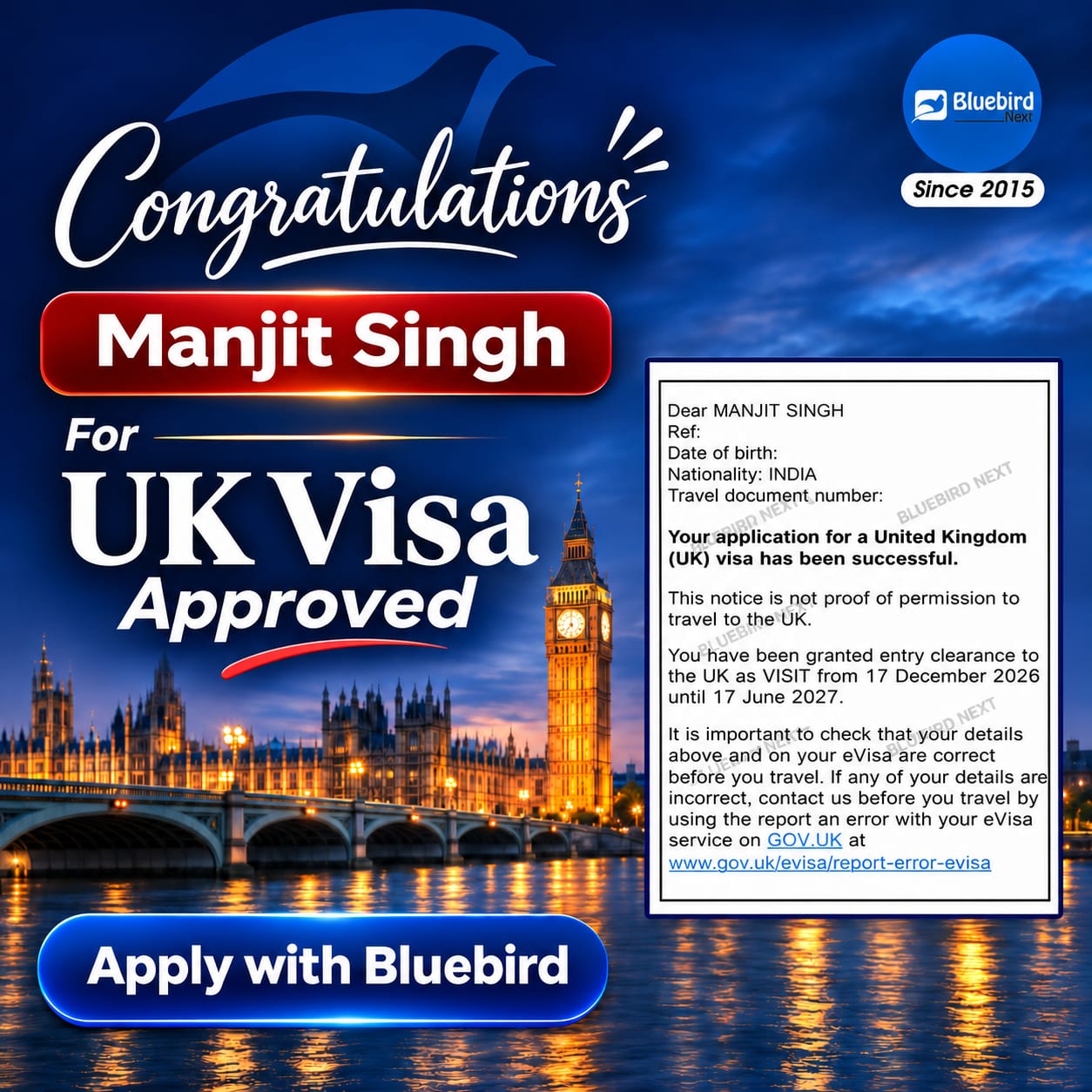
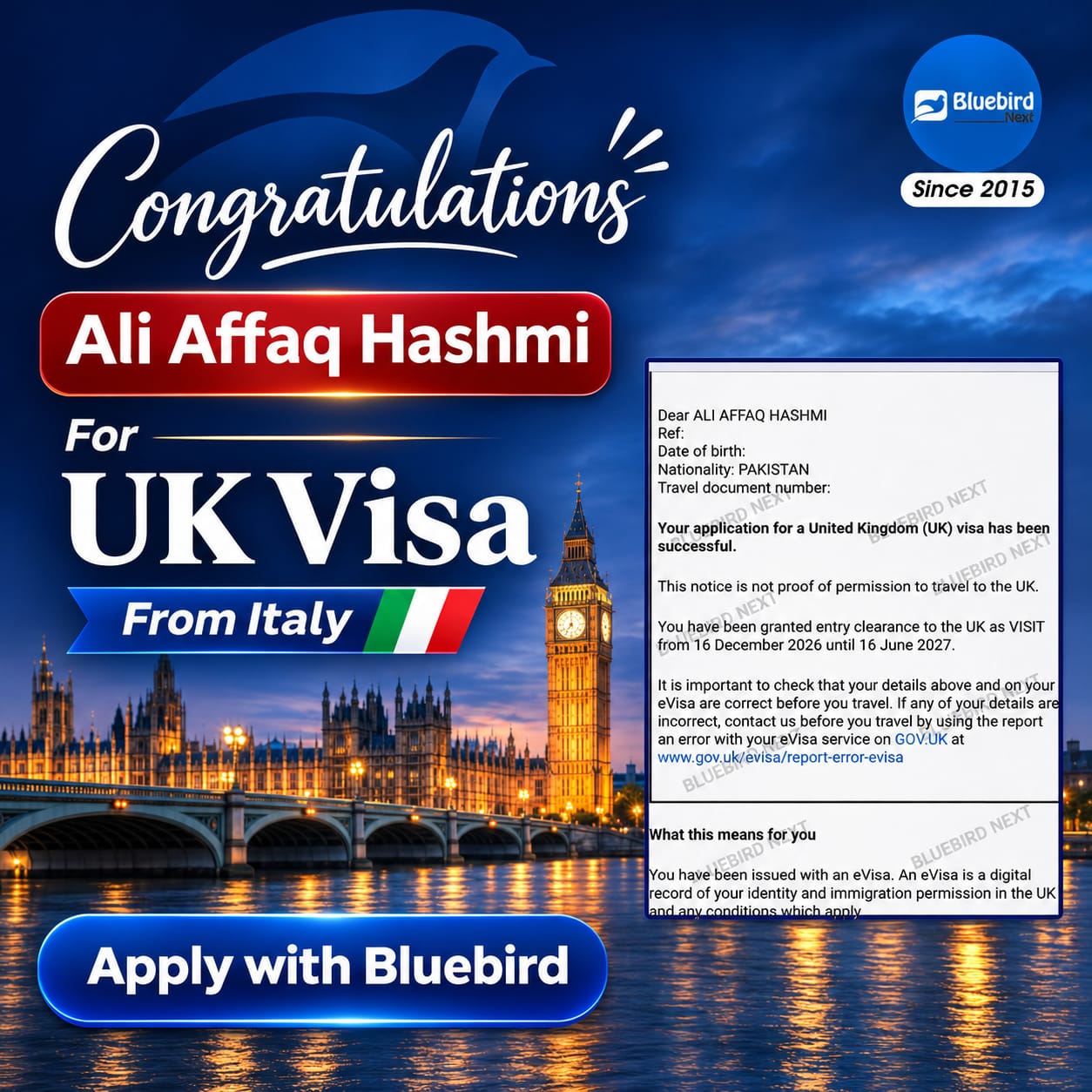
Students we sent to United Kingdom

Real stories from our clients.

United Kingdom student visa for Indians: FAQs

What is the United Kingdom student visa fee for Indians?
The embassy / visa fee is £ 558. These are paid to the embassy or VFS. Fees can change, so we confirm the latest amount before you pay.
What English score do I need to study in United Kingdom?
Most universities in United Kingdom ask for about IELTS 6.0 - 6.5 (UKVI); some accept PTE / Duolingo / MOI. Some accept PTE, TOEFL or Duolingo, and a few accept a Medium-of-Instruction (MOI) letter. We check each university's exact requirement for you.
Can I study in United Kingdom without IELTS?
Sometimes. A number of universities in United Kingdom accept PTE, TOEFL or Duolingo instead of IELTS, and some accept an MOI letter from your previous college. The safest route is an accepted English test – we tell you which ones each university allows.
How much money do I need to study in United Kingdom?
Plan for about tuition of GBP 11,000 - 30,000 a year and living costs of GBP 1,203 a month (GBP 1,570 in London) for up to 9 months, for applications from 30 Nov 2026 a year, plus the funds you must show for the student visa. Our study cost calculator gives you the full budget and the education-loan EMI.
Can I work while studying in United Kingdom?
Yes – international students in United Kingdom can usually work 20 hours a week in term time, with full-time work allowed in scheduled breaks. Treat it as support money, not a way to cover your tuition.
Can I stay in United Kingdom after my studies?
Yes – United Kingdom offers a post-study work route: Graduate visa: 2 years if you apply by 31 Dec 2026, 18 months from 1 Jan 2027 (3 years after a PhD). It is one of the main reasons Indian students choose United Kingdom.
When are the intakes to study in United Kingdom?
The main intakes for United Kingdom are September, January (some May). Apply 4 to 8 months ahead so there is time for your offer letter, funds and student visa.
Can I study in United Kingdom with low marks or a study gap?
Often yes. Many universities in United Kingdom accept moderate marks and a reasonable study gap if you explain it (work, exams or family) with proof. A strong SOP and the right university choice matter most – our counsellors map colleges to your profile for free.
Read the complete guide to studying in United Kingdom

Study in The United Kingdom

The United Kingdom continues to be one of the most preferred destinations for Indian students due to its prestigious universities, flexible course options, and strong post-study work opportunities. This guide (updated November 2026) will help Indian students understand the process, from choosing universities to visa application, estimated costs, tips, dos and don’ts, and FAQs.

Why Study in the UK?

  • World-renowned universities like Oxford, Cambridge, and Imperial College
  • Shorter duration of degrees (3-year undergrad, 1-year postgrad)
  • Post-study work visa (Graduate Route)
  • Rich academic tradition and research facilities
  • Multicultural environment and global networking

Top Universities in the UK

University Name

QS World Ranking (check the latest edition)

Location

University of Oxford

See latest QS edition

Oxford

University of Cambridge

See latest QS edition

Cambridge

Imperial College London

See latest QS edition

London

University College London (UCL)

See latest QS edition

London

University of Edinburgh

See latest QS edition

Edinburgh

University of Manchester

See latest QS edition

Manchester

All of these are among the world’s top universities (QS World University Rankings). Ranks change every year, so check the latest edition on topuniversities.com before you decide.

Popular Courses

  • Business & Management
  • Computer Science & IT
  • Engineering
  • Law
  • Medicine & Life Sciences
  • Arts & Humanities

UK Student Visa (formerly Tier 4)

Requirements:

  • CAS (Confirmation of Acceptance for Studies) letter from a UK university
  • Proof of funds (tuition + living costs for 9 months)
  • English at CEFR B2 for degree courses (use the test your university accepts; a UKVI-approved SELT such as IELTS for UKVI is needed for courses below degree level)
  • Valid passport
  • Academic transcripts
  • Health surcharge payment
  • TB test certificate (for Indian applicants)

Financial Requirements (from 30 November 2026):

  • Tuition Fee: First-year fee as per CAS (minus anything already paid)
  • Living Expenses (Outside London): £1,203/month × 9 = £10,827
  • Living Expenses (In London): £1,570/month × 9 = £14,130
  • Applications made before 30 November 2026 use the earlier rates: £1,171/month outside London and £1,529/month in London
  • The money must sit in your account for at least 28 days in a row, ending no more than 31 days before you apply

Visa Fee & Insurance:

  • Visa Application Fee: £558 (applying from outside the UK)
  • Immigration Health Surcharge (IHS): £776/year for students and their dependants

Cost of Studying in the UK

Tuition Fees:

  • Typically £11,000 – £30,000/year for most undergraduate and postgraduate courses
  • Medicine and MBAs cost more – check your university’s fee page

Living Costs:

  • Plan for at least £10,827 (outside London) to £14,130 (London) for 9 months; actual yearly costs are often higher

Scholarships for Indian Students

  • Chevening Scholarships
  • Commonwealth Scholarships
  • GREAT Scholarships
  • Rhodes Scholarship (Oxford)
  • University-specific merit scholarships
  • Check each scheme’s current round and deadline before you apply

Work While Studying

  • Up to 20 hours per week during term-time at degree level or above (10 hours below degree level)
  • Full-time during official vacations
  • Internships via university placements

Post-Study Work Options

Graduate visa (Graduate Route):

  • Stay 2 years if you apply on or before 31 Dec 2026, or 18 months if you apply from 1 Jan 2027; PhD graduates get 3 years
  • No job offer required
  • Allows full-time employment
  • Visa fee £937, plus the Immigration Health Surcharge of £1,035 a year

Dos and Don’ts When Planning to Study in the UK

✅ Dos:

  • ✅ Apply early (at least 6–9 months in advance)
  • ✅ Use the English test your university accepts (a UKVI-approved SELT such as IELTS for UKVI is needed below degree level)
  • ✅ Maintain genuine financial documents
  • ✅ Check your university is on the Home Office register of licensed student sponsors
  • ✅ Join student support groups

❌ Don’ts:

  • ❌ Don’t overstay your visa
  • ❌ Don’t use fake bank statements
  • ❌ Don’t delay TB test and visa medical
  • ❌ Don’t ignore your course attendance

Frequently Asked Questions (FAQ)

1. Is IELTS required to study in the UK?

Not always. Universities usually ask for IELTS 6.0–6.5, and the visa minimum is CEFR B2 for degree-level study (B1 below degree level). Universities can assess your English themselves, so PTE, Duolingo or an MOI letter may be accepted. Below degree level you need a UKVI-approved SELT.

2. Can I take dependents on a student visa?

Only students on a PhD/doctorate or other research-based postgraduate course (9 months or longer, starting on or after 1 Jan 2024) can bring a partner or children. Government-sponsored students on courses over 6 months also qualify. Taught master’s students cannot.

3. How much bank balance is required?

Your first-year tuition fee (minus anything already paid) plus £10,827 outside London or £14,130 in London (for applications from 30 November 2026). The money must sit in your account for at least 28 days in a row, and that period must end no more than 31 days before you apply.

4. Can I work in the UK after my studies?

Yes, via the Graduate visa: 2 years if you apply on or before 31 Dec 2026, 18 months if you apply from 1 Jan 2027, and 3 years after a PhD. No job offer is needed and you can work full-time. The visa fee is £937, plus the health surcharge of £1,035 a year.

5. How long does the visa process take?

Usually about 3 weeks from outside the UK (about 8 weeks from inside the UK). Priority services may be available for an extra fee.

6. What is CAS and when is it issued?

CAS is a unique reference number issued by your university after confirming admission. It’s essential for your visa application. You can apply for the visa up to 6 months before your course starts (from outside the UK).

7. Can I switch to a work visa after my studies?

Yes, if you get a job offer from a UK-licensed sponsor under the Skilled Worker visa route.

Final Thoughts

The UK offers immense academic value, a wide variety of courses, and a path to employment and settlement. With proper planning, transparent documentation, and timely applications, Indian students can unlock world-class education and global opportunities in the UK.

Ask a study counsellor

Tell us your course and budget – we reply within one working day.

Chat on WhatsApp
Simple process

From counselling to campus in 4 steps

How we take you from your first call to your first day in United Kingdom.

  1. 1

    Free counselling

    We understand your goals, marks and budget and suggest the right universities.

  2. 2

    Apply to universities

    Shortlist, SOP, LOR and applications – until the offer letter arrives.

  3. 3

    Funds & visa file

    Financial documents, loan papers and a complete student visa file.

  4. 4

    Visa & fly

    Interview practice, visa approval and pre-departure guidance.

Real people. Real approvals.

A licensed team that has guided thousands of Indians to their visas and admissions.

★★★★½4.5/5 · 228 reviews
12,000+Visas approved
11+Years of experience
40+Countries covered
4.5/5Client rating
Jitender Singh, Founder & Managing Director at Bluebird NextJitender SinghFounder & Managing Director

Vikram Singh, Head – Quality & Operations at Bluebird NextVikram SinghHead – Quality & Operations

Sanjay, Head – Tourist Visa Operations at Bluebird NextSanjayHead – Tourist Visa Operations
Tejaswani, Head – Counselling Team at Bluebird NextTejaswaniHead – Counselling Team
Mahima, Head – Visa Filing & Processing at Bluebird NextMahimaHead – Visa Filing & Processing
Pratigya Dutta, Head – Student Visa Processing at Bluebird NextPratigya DuttaHead – Student Visa Processing
Your next step

Ready to move on your visa? Talk to a Bluebird expert

Free, no-pressure guidance from a real counsellor who handles your case end to end — from documents to decision.
Chat with us