
 0 minutes
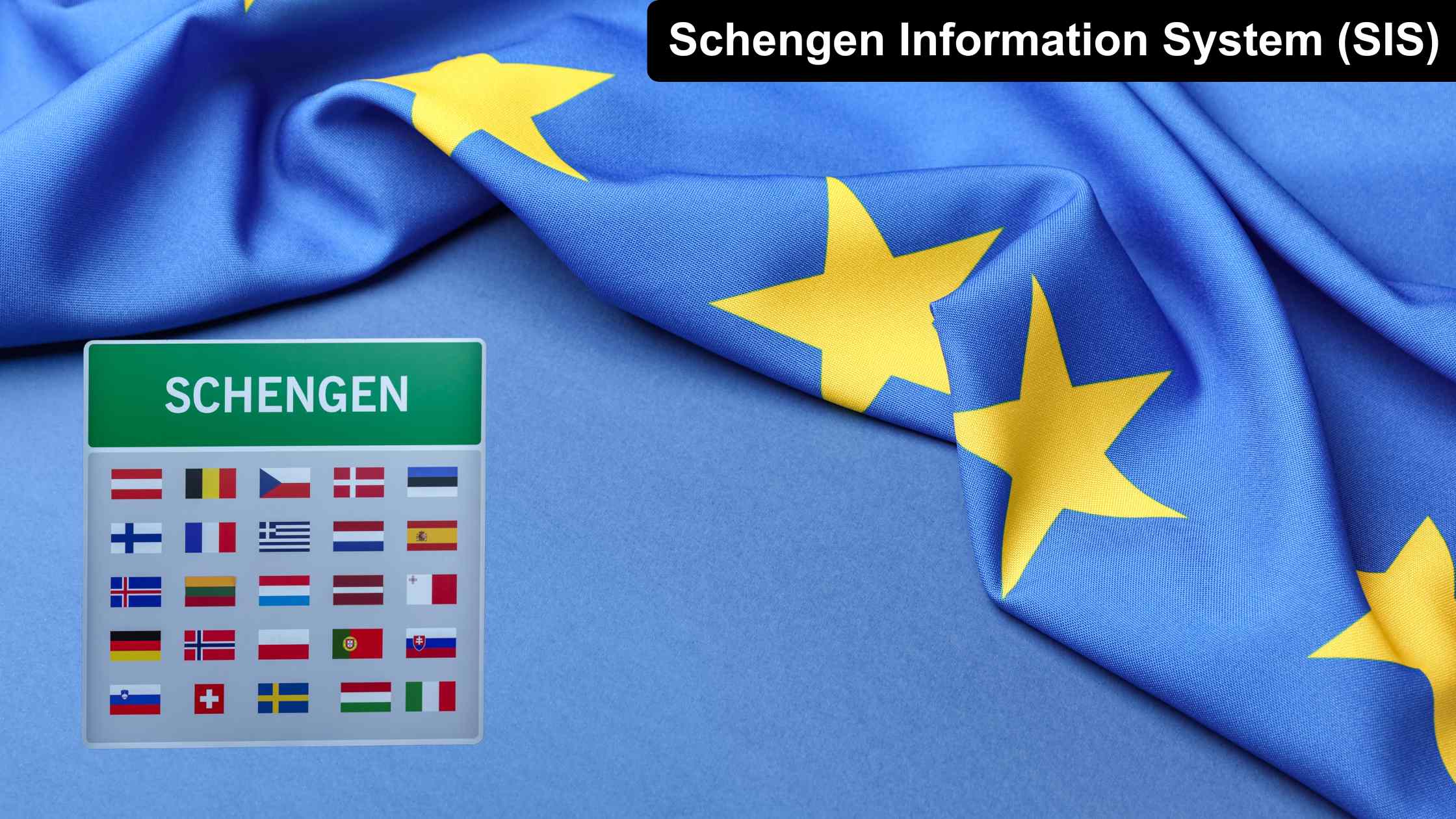
When people think about the Schengen Area, the first thing that comes to mind is border-free travel. But behind this freedom lies a sophisticated digital backbone: the Schengen Information System (SIS II). It is the EU’s largest and most important security and border management database, enabling authorities across Europe to share information on people, travel documents, and property in real-time.
In this blog, we break down what SIS II is, how it works, why it matters for travelers, and what recent developments mean for Europe’s future.
The Schengen Information System (SIS II) is a pan-European security database that connects police, border guards, visa authorities, and customs officers across the Schengen Area.
Its primary purpose is to:
Maintain security by alerting authorities about wanted or missing individuals
Assist border management by verifying identities of travelers
Combat crime and terrorism through real-time data sharing
Support visa and residency decisions across Schengen states
Launched in 2013 (as an upgrade to the original SIS of 1995), SIS II is now the largest information-sharing system for security and border management in Europe.
The system works by storing alerts on individuals and objects. These alerts are accessible to authorities across all Schengen states.
Persons
Individuals wanted for arrest or extradition
People refused entry or stay in the Schengen Area
Missing persons, including vulnerable adults and children
Witnesses or suspects needed in criminal investigations
Objects
Stolen vehicles, boats, planes
Firearms, identification documents, license plates
Lost or stolen passports
Authorities can access SIS II through:
National systems connected to the central SIS II database
EUROPOL & EUROJUST, which have partial access for criminal investigations
Every time a person crosses a border, applies for a visa, or is checked by police, their data can be cross-referenced with SIS II.
Covers 30+ European countries (all Schengen states + associated members)
Contains over 100 million records
Accessed billions of times annually by police and border guards
Supports real-time synchronization across all member states
The Schengen Information System is often described as the “invisible border” of Europe. Without it, free movement across Schengen would be impossible.
Safety: Helps track terrorists, criminals, and organized crime groups
Migration control: Identifies overstayers or people who pose a migration risk
Child protection: Alerts authorities about missing children
Visa decisions: Prevents entry to individuals banned from Schengen
Property recovery: Locates stolen cars, documents, and weapons
In July 2023, Cyprus became connected to SIS II, a crucial step in its path toward full Schengen membership.
This integration allows:
Sharing data on criminal suspects and migrants
Access for Cypriot police and border authorities to EU-wide alerts
Enhanced security cooperation with other EU states
For Cyprus, joining SIS II was a milestone toward joining the Schengen Area, with full accession targeted for 2026.
SIS II is part of the EU’s wider security ecosystem, alongside:
VIS (Visa Information System) – for Schengen visa applications
Eurodac – for asylum seekers’ fingerprints
ECRIS – for criminal records
ETIAS (from 2025) – pre-travel authorization for visa-exempt travelers
SIS II remains the core database, serving as the first line of defense for Europe’s borders.
While powerful, SIS II faces several challenges:
Privacy Concerns
Human rights groups warn against excessive surveillance.
Questions arise about data protection and misuse.
False Matches
Sometimes, innocent travelers are mistakenly flagged.
Requires improved data accuracy and verification.
Cybersecurity Threats
As a large digital system, SIS II is a target for hackers.
The EU continuously upgrades its defense mechanisms.
Political Complexities
Non-Schengen EU states like Ireland do not fully participate.
New members (like Cyprus) must align politically and technically.
Enhanced Biometrics: New features allow storing fingerprints and facial images for better identification.
Counter-Terrorism Alerts: Expanded alerts for suspected extremists.
Stronger Data Sharing: More agencies now have controlled access, improving security collaboration.
Training Programs: EU funds national training so border guards properly use SIS II.
For most travelers, SIS II operates behind the scenes. But its presence affects visas, entry decisions, and even routine checks.
Applying for a Schengen Visa → Your name is checked against SIS II to ensure you are not banned.
Crossing Borders → Your passport is scanned and compared with SIS II alerts.
Police Check in Europe → Officers use SIS II to verify your identity.
Lost Passport → Authorities log it in SIS II, preventing misuse.
Safer travel within Europe
Faster identity verification
Reduced risk of document fraud
The EU continues to expand SIS II’s capabilities. With the launch of ETIAS (2025) and the EES (Entry/Exit System), SIS II will become even more integrated into the border control process.
Looking ahead, SIS II will remain the digital guardian of Europe’s borders, balancing freedom of movement with the need for security.
1. What is SIS II?
It’s Europe’s largest border security database, connecting police, border guards, and visa authorities.
2. Who has access to SIS II?
Police, border guards, visa officers, EUROPOL, and EUROJUST.
3. Does SIS II store data on all travelers?
No. It only stores data on persons or objects with alerts, such as stolen passports or people refused entry.
4. How does SIS II affect tourists?
Tourists benefit indirectly through safer and smoother border checks.
5. Is SIS II the same as ETIAS?
No. ETIAS is a pre-travel authorization system. SIS II is a security database.
6. Why is SIS II important for Schengen?
It allows border-free travel while maintaining high security standards.
The Schengen Information System (SIS II) is the backbone of European security and free movement. Without it, the Schengen dream of borderless travel would not exist.
As Europe faces challenges from migration, terrorism, and digital threats, SIS II continues to evolve. For countries like Cyprus, joining SIS II is not just a technical step—it’s a gateway to becoming a full member of Schengen.
For travelers, SIS II remains largely invisible, yet it silently guarantees both freedom and safety across the world’s largest border-free zone.